
Caulks & Sealants
Caulks and sealants create watertight, airtight, and flexible barriers for kitchens, bathrooms, windows, and exterior applications, from acrylic latex to 100% silicone. Use the filters below to find the right formula based on your application, substrate, and performance needs
Popular Caulks & Sealants Projects
Watch step-by-step tutorials to tackle bathroom sealing, window weatherproofing, and more.
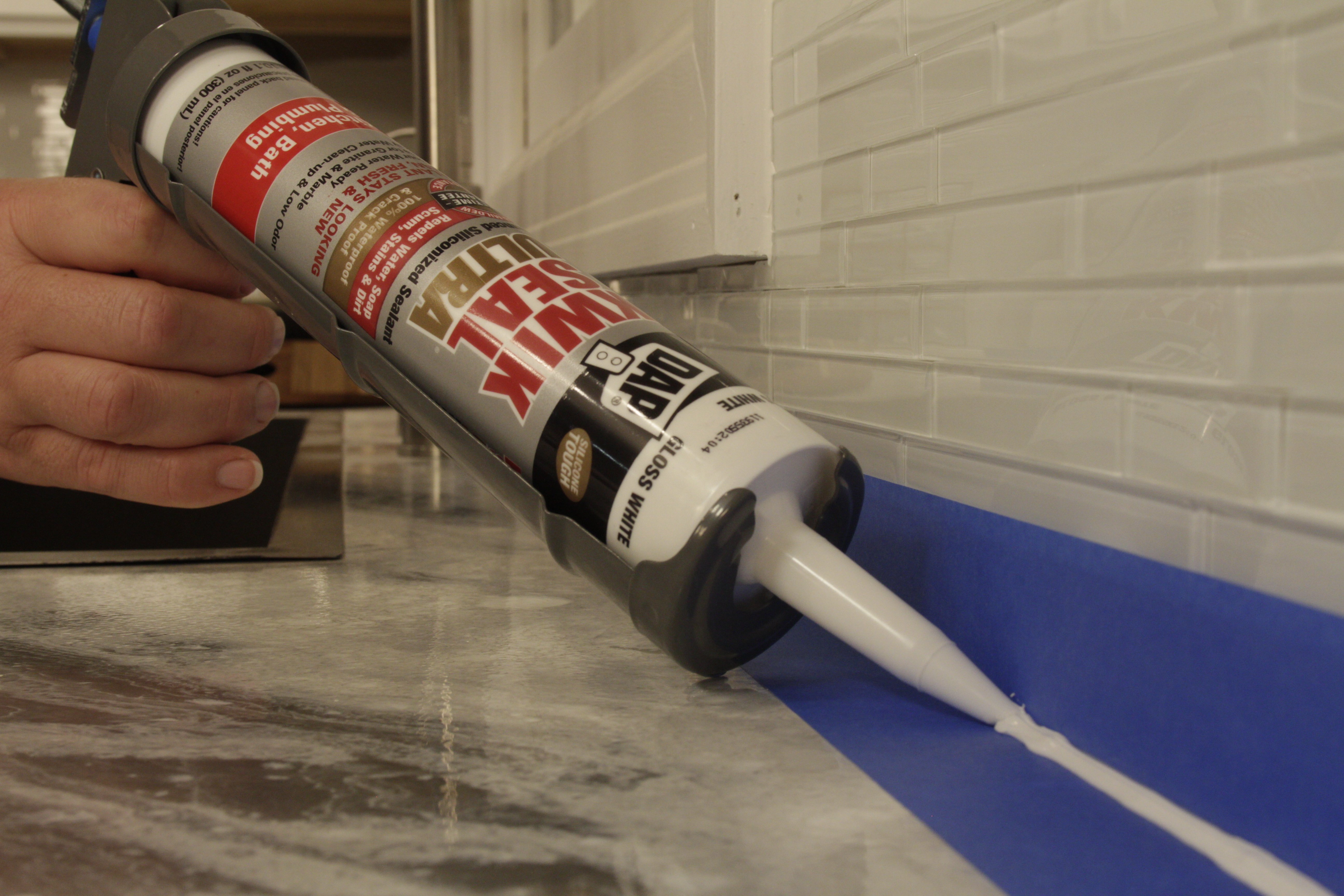
Kitchen and Bath
How to Choose the Right Caulk or Sealant
Learn how to choose the right caulk or sealant for kitchens, bathrooms, trim, and exterior projects based on moisture, movement, and paintability.
view project1/0
Frequently Asked Questions
Many all-purpose acrylic latex caulks are rated for both interior and exterior use, but verify the label confirms "interior/exterior" designation before using outdoors. Exterior caulks contain UV inhibitors and weatherproofing additives that interior-only formulas lack, making them essential for outdoor applications exposed to sun, rain, and temperature fluctuations. Using interior-only caulk outside leads to premature failure, cracking, and yellowing from UV damage. For best results, use exterior-specific formulas like Dynaflex Ultra or Extreme Stretch for outdoor projects, and interior-specific fast-dry formulas indoors where low VOC and quick paint-readiness matter more.
Whether caulk is paintable depends entirely on the formula type. Acrylic latex caulks are paintable once fully cured, typically within 30 minutes to 2 hours depending on the product, and accept both latex and oil-based paints. Silicone-based sealants are NOT paintable because paint will not adhere to the silicone surface and will peel off. Siliconized latex caulks (hybrid formulas) are paintable and offer better flexibility than standard acrylic latex. Always check the product label for paintability and recommended cure time before painting.
Dry time varies significantly by product type and environmental conditions. Fast-dry acrylic latex caulks become tack-free in 30 minutes to 2 hours and are ready for painting, while standard acrylic latex formulas may require 2-4 hours. Silicone sealants typically cure in 24 hours before exposure to water is safe. Full cure time (when caulk reaches maximum strength and durability) is 24-48 hours for most products. Temperature, humidity, and bead thickness all affect dry time. Cold or humid conditions extend drying significantly.
Acrylic latex caulk is water-based, paintable, easy to clean up with water, and ideal for interior trim, baseboards, and areas that will be painted, though it is less flexible and may not withstand continuous water exposure. Silicone caulk is NOT paintable, offers superior flexibility and waterproofing, resists mold and mildew better, and excels in wet areas like bathrooms and exterior applications, but requires mineral spirits for cleanup. Siliconized latex (hybrid) combines the best of both: paintable like acrylic latex with improved flexibility and water resistance from silicone additives.
The terms "caulk" and "sealant" are often used interchangeably and refer to the same products in most home improvement contexts. Technically, caulk describes the material used to fill gaps and cracks, while sealant is a broader category that includes caulks, adhesives, and other sealing compounds. For DIY and professional projects around the home, both terms describe flexible materials designed to create watertight and airtight barriers around windows, doors, bathrooms, and other applications.
Exterior windows and doors require a premium sealant with UV resistance, maximum flexibility to handle temperature changes, and weatherproof properties that withstand rain, snow, and sun exposure without cracking or shrinking. The best formulas are either 100% silicone sealants (excellent flexibility, naturally weatherproof) or premium elastomeric acrylic latex caulks like Dynaflex Ultra or Extreme Stretch (paintable, UV-resistant, highly flexible). Avoid using interior-only caulks outdoors, as they lack UV protection and will deteriorate quickly.
For bathrooms, use a 100% waterproof caulk with mold and mildew resistance specifically formulated for kitchen and bath applications. The best options are either 100% silicone sealants (like Silicone Max Kitchen & Bath) or siliconized acrylic latex caulks (like Kwik Seal Ultra), both of which handle high moisture, frequent water exposure, and temperature fluctuations around tubs, showers, sinks, and tile. Look for products labeled "mold and mildew resistant" with warranties of 5-10 years against mold growth.
Caulk cracks when it loses flexibility or was not the right product for the application's movement and environmental conditions. Common causes include using a rigid formula in a high-movement area (like wood siding or expansion joints), applying caulk in extreme temperatures (below 40°F or above 100°F), failing to properly prepare surfaces (dirt, moisture, old caulk residue), or using interior-only caulk in exterior applications where UV and weather cause degradation. To prevent cracking, use elastomeric or siliconized formulas for areas with movement, ensure clean and dry surfaces, and match the caulk formula to environmental exposure.